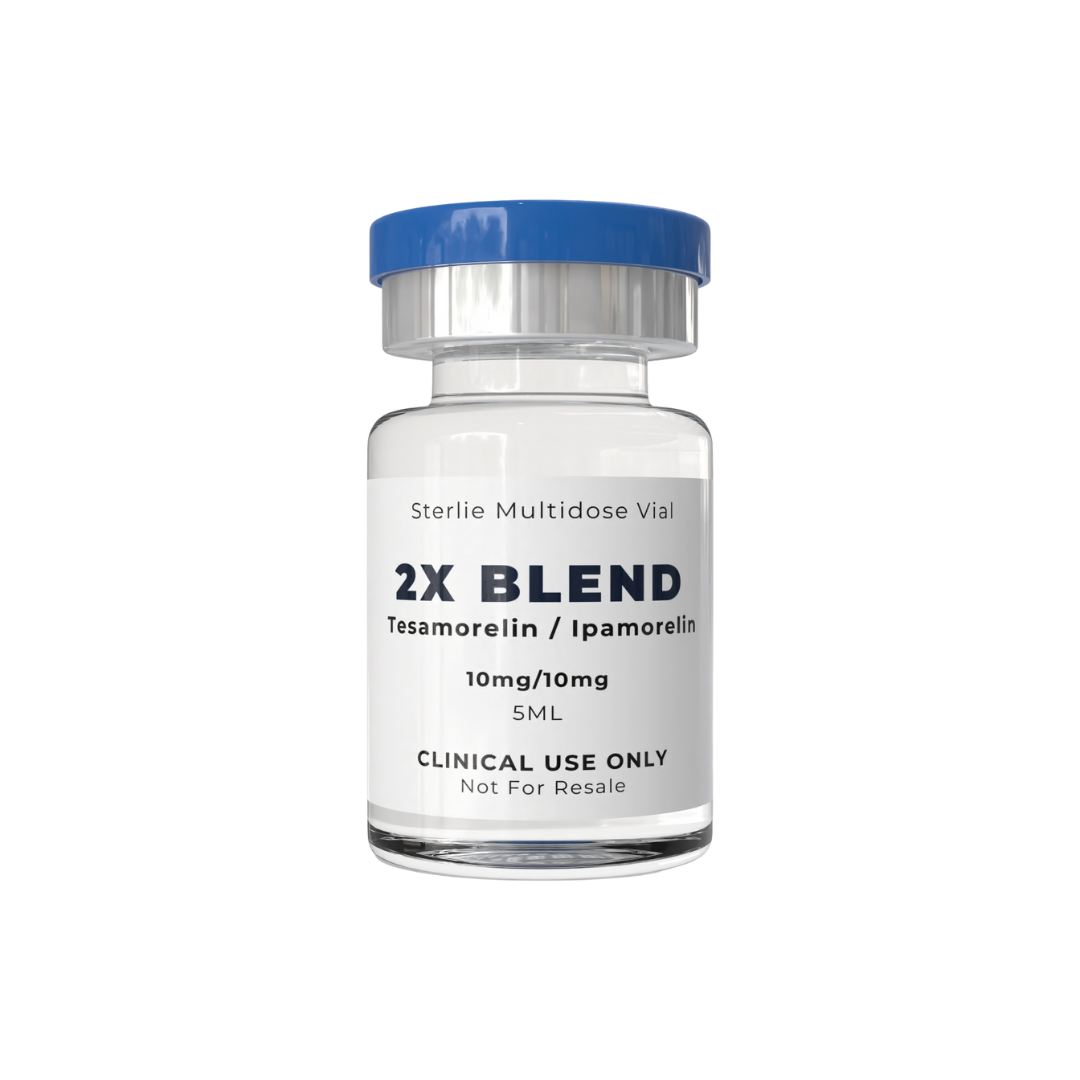
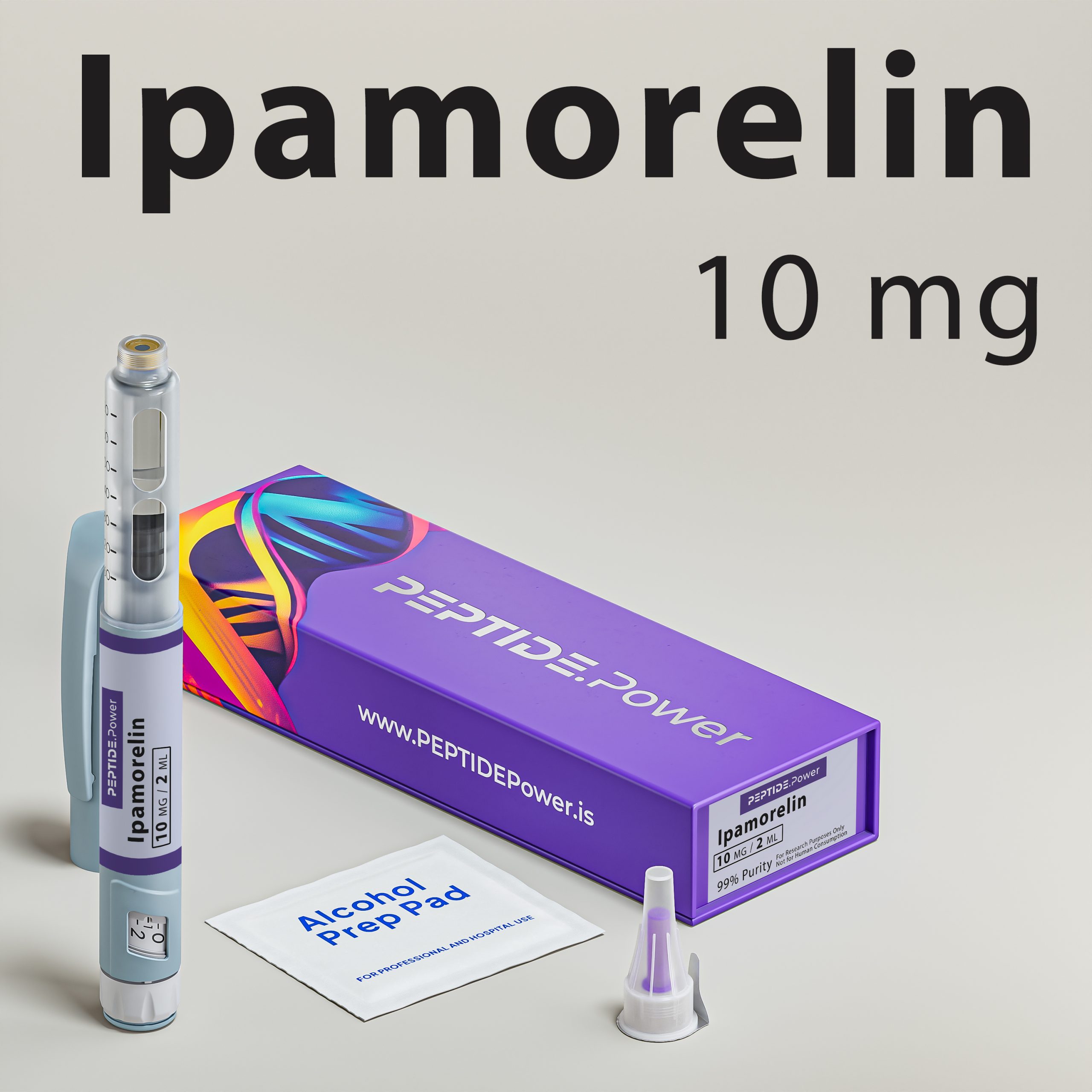
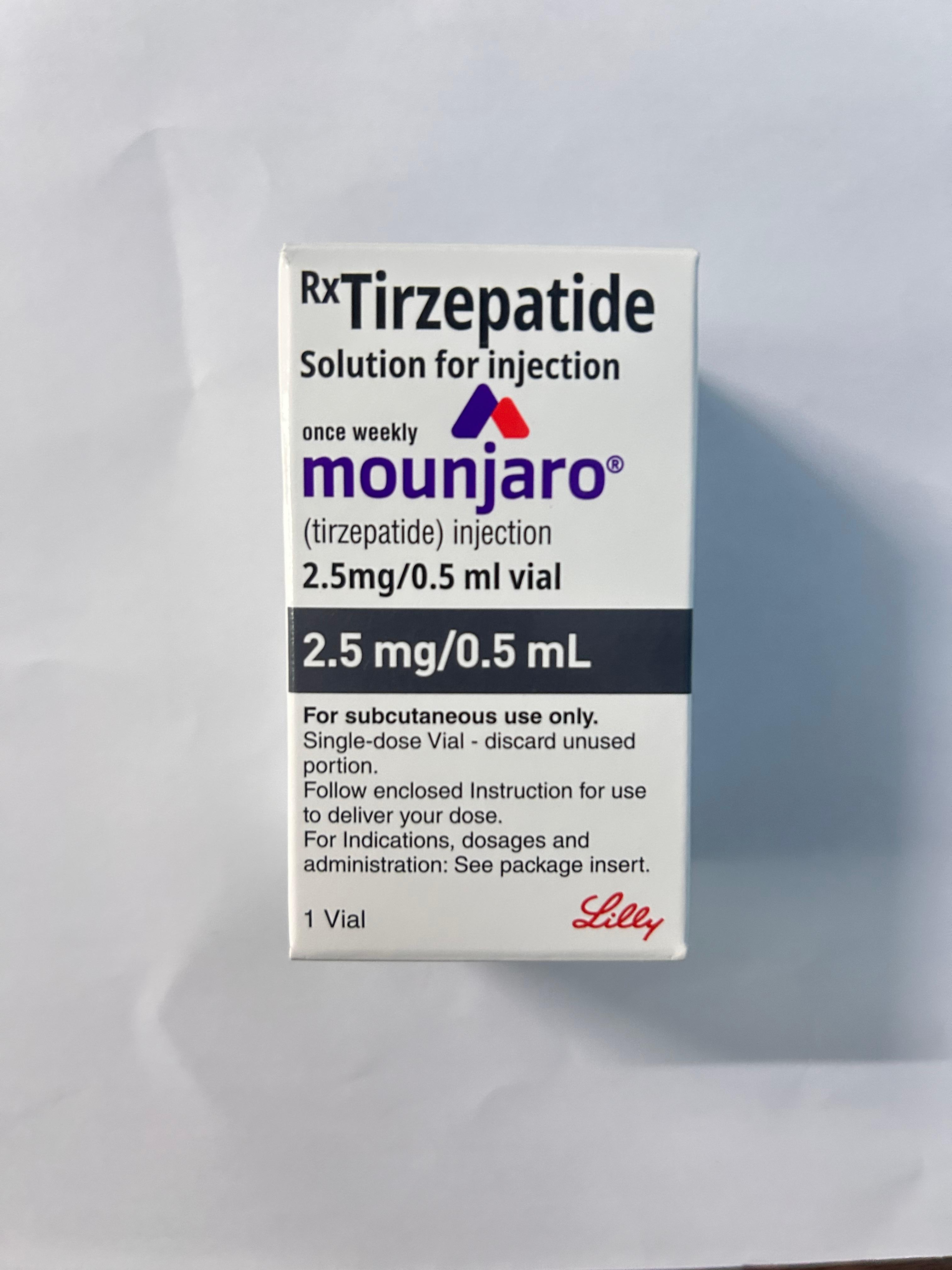
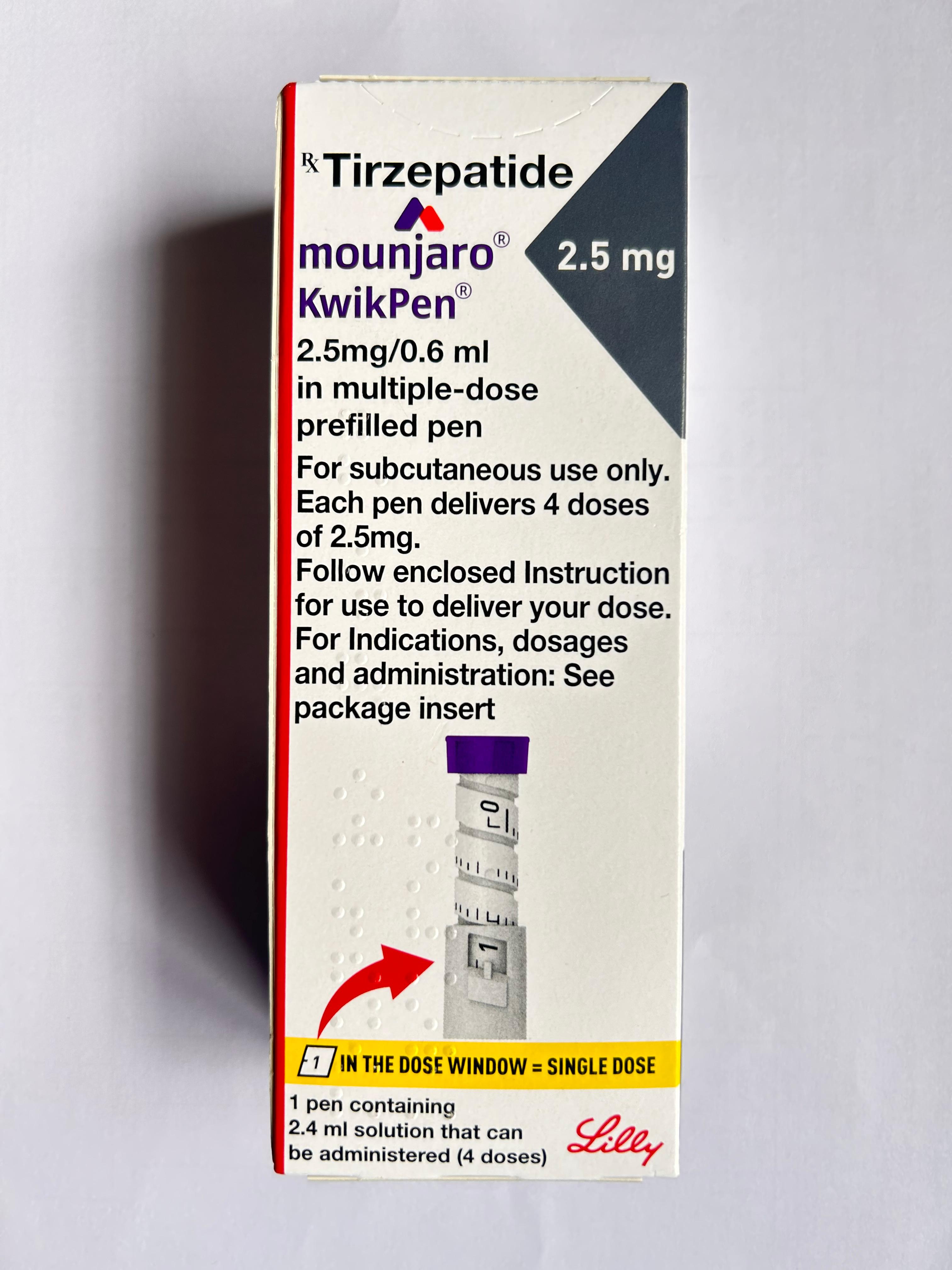
They are deliberate design choices that determine a compound bioavailability, stability, shelf life, and practical utility
After your appointment Follow all post-treatment instructions carefully
Instead, it may offer slow, consistent reinforcement of the bodys natural repair and recovery mechanisms

Markers community sources associate with a working protocol: Sleep quality improved within the first 1-2 weeks IGF-1 increased 20-40%+ from baseline at 4-6 week bloodwork Gradual improvements in recovery, skin quality, or body composition by weeks 6-8 Mild, transient side effects (slight water retention, occasional joint stiffness) that resolve Patterns community sources describe before discontinuing: No sleep improvement after 2 weeks community sources describe verifying fasted injection timing and peptide source quality IGF-1 unchanged at 4-6 weeks community protocols describe increasing to twice-daily dosing (300 mcg AM + PM) or evaluating peptide authenticity Persistent water retention or joint pain beyond week 3 community sources interpret this as a dose running too high and describe reducing to 200 mcg Signals community and clinical sources associate with stopping: Persistent numbness or tingling in extremities (potential carpal tunnel from excessive GH) Blood glucose consistently elevated on follow-up labs Any signs of abnormal growth or tissue changes documented guidance is to discontinue and consult a physician For detailed protocol parameters, see the ipamorelin dosing guide

Lyophilization helps maintain peptide stability during storage
Validation of the fibrosis-4 (FIB-4) index in the diagnosis of liver disease of rheumatoid arthritis patients treated with methotrexate